In Praise of Parts Bin Cars

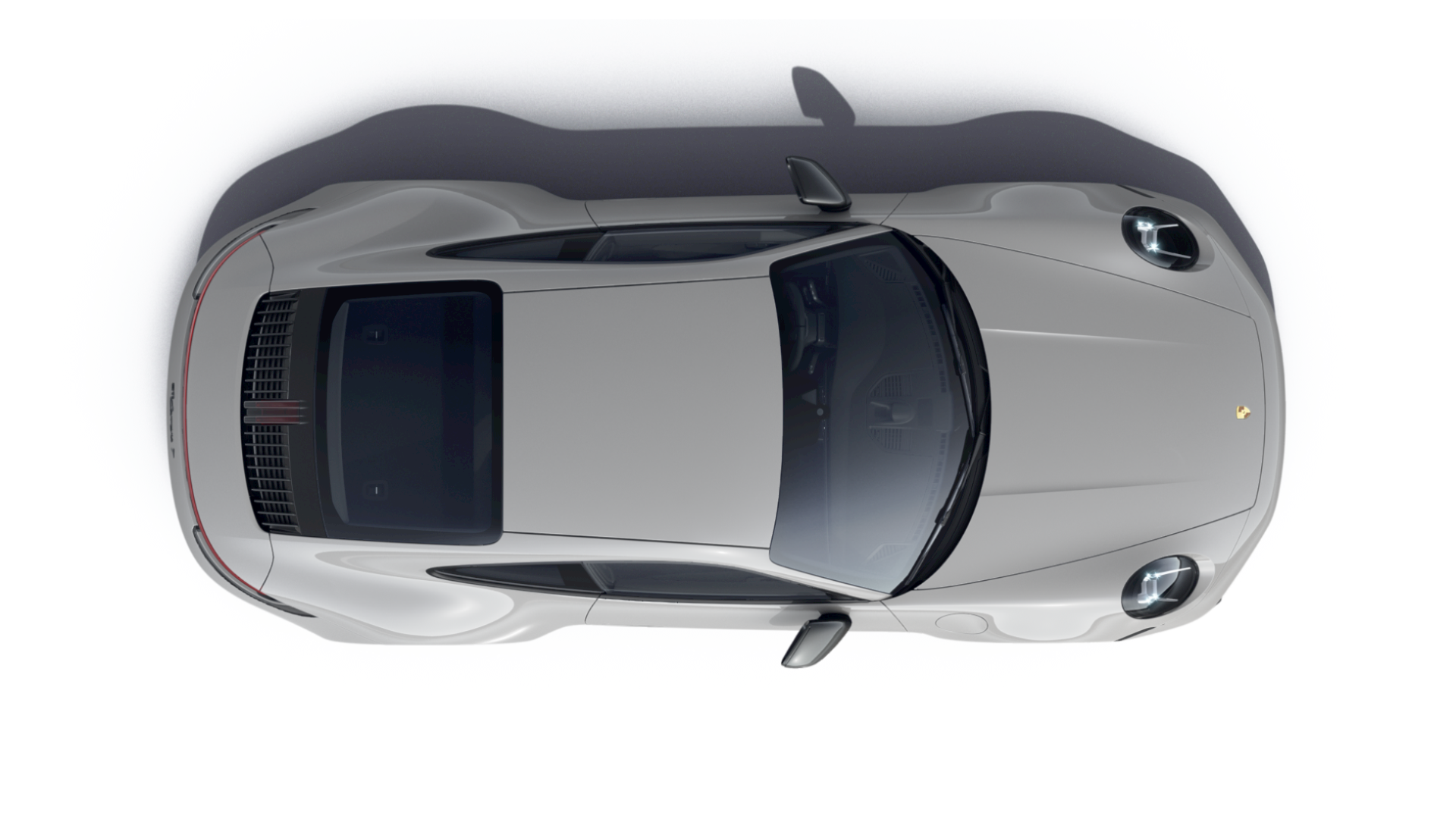
Some automotive reviewers dismiss the Porsche 911 Carrera T as a "parts bin special" claiming the manufacturer took a base model 911, added a few parts that were already available in other more performance-oriented models and charged a premium.
I did not share that view when I considered ordering a Carrera T and the reason I was confident it was going to be a great car is because I have owned a car in the past that was wrongfully accused of being the result of the same strategy. It turned out being one of the best drivers’ cars I have ever driven. The car in question was the 1990 BMW 318is.
Based on the 3-series E30 platform which was only available in North America at the time with a 2.5 liter six-cylinder engine, the 318is was powered by a 1.8 liter four-valve per cylinder normally aspirated four-cylinder unit, that produced about 140 bhp which is a far cry from sounding earth shattering today. But in 1990 that engine had the highest power rating of any normally aspirated 1.8 liter car in North America. The small and light power plant shaved considerable weight from the whole package and its compactness was dramatically apparent to the driver. A friend of mine owned a six-cylinder version of the car and it felt very front-heavy, leading to its steering lacking precision around the corners.
The 318is felt well-planted, its steering was light and incredibly precise, the car just was nimble and balanced. On a trip with Lydia through Vermont I was driving along a river road with many twists and turns. That drive took place at least thirty years ago and I still remember it like it was yesterday. With warmed up tires and a high-revving engine delivering enough power to propel the nimble car with purpose, driving it on a rural road was a memorable event.
The car featured nice touches that completed the package. It was fitted with wider tires on light weight alloy wheels, suspension was lowered and stiffened slightly. It boasted an air dam under the front bumper and a spoiler lip on the trunk lid. These aero-bits were not only for show. At 120kph, you could feel the car settling on the road. Inside it came with grey cloth seats including manually adjustable Recaro sports seats in the front. Topping it all off, its steering wheel was off the M3 and the five speed manual transmission was operated through an M shifter. Other than that, it was a regular two-door E30. Yet there was nothing regular with that package. It truly looked like, and more importantly, felt like a special car.

When I was narrowing down the twenty-six variants I had to choose from when selecting a 911, I could not help thinking back to the 318is I had owned. Porsche used the base 911 engine in the T model, added a manual transmission (the base model was only available in PDK,) lowered the suspension slightly, fitted larger wheels, added sports settings to the adjustable dampers, included torque vectoring on the rear axle as well as a limited slip differential, both in aid of improving rear wheel grip out of fast turns.
Light weight glass, no rear seats, lighter sports seats in the front, reduced insulation and the manual transmission all added to lightening the car’s weight.
The recipe Porsche adopted was very similar to what BMW came up with in 1990 and the results were pretty much the same. Both these cars created magic out of the parts bin. What I learned is that there is nothing wrong when a manufacturer uses existing parts, the secret is selecting the right ones.
There seems to be a formula for these types of cars no matter who produces them. When considering what manufacturers call special or limited-edition cars, do a bit of research to ensure the car you are eyeing is something beyond a flashy color with contrasting racing stripes and its designation plastered all over the car. Look for items that result in a vehicle that is more than the sum of the additional parts. Consider the following:
1. A Car with a Mature Platform.
You are likely to do better if the special edition is introduced late in the version’s life cycle. My 318is was the last E30 variant before BMW introduced the E36. By then, the car’s engineering and design team had been told by reviewers and customers what was off with the vehicle. If you study a car’s reviews since its launch you will identify these shortcomings. See if the manufacturer attempted to address any of them with the special edition.
2. Quality Matters
If the car the special-edition is based on is very well regarded, the changes they make to it will enhance an already above-average product. An excellent car just needs subtle adjustments to provide over-sized benefits.
3. Beware of Extra Power
If too much power is added to the car, it may do nothing but disrupt its balance. Significant changes may need to be made to the remainder of the powertrain, suspension and the car’s unit body. The manufacturer is at the end of this version’s run and will not invest in re-engineering the model. They want to use existing parts from existing variants and that may not be enough to control excessive power in this case.
4. The Lighter, the Better
If the manufacturer takes weight out of the car, you know they are serious, or at least trying to enhance its handling characteristics.
Some legendary cars started off as parts bin specials. The VW Golf GTI and the Pontiac GTO are examples of models that were the precursors of whole new categories of cars – the hot hatchback and the American muscle car. In other cases, the so-called special model is nothing but a marketing exercise which is soon to be forgotten. I have been very lucky to own a 1980 Mark I Golf GTI and a 318is, both of which are beginning to be considered classics. I hope history will also look at the 911 Carrera T through the same lens.